
Why is the Government reforming the home buying process?
The current home buying system has long been criticised for being slow, fragmented and uncertain. According to Government data:
- The average property transaction currently takes around 120 days from offer acceptance to completion
- Approximately one in three transactions fail before completion
- Failed transactions cost buyers and sellers hundreds of millions of pounds every year
- First-time buyers are particularly affected, often spending money on surveys, conveyancing and mortgage fees before a purchase falls through
The Government believes the reforms could reduce transaction times by around four weeks and save first-time buyers an average of £650.
The key changes
1. Upfront sales packs
The proposed Sales Pack is expected to include property condition, leasehold information, local authority information, chain status, property ownership details and other essential legal information.
2. Earlier property condition information
At present many buyers only commission a survey after their offer has been accepted, by which stage they may already have paid legal fees, incurred mortgage costs and emotionally committed to the purchase.
3. Earlier binding agreements
Currently in England either party can withdraw from a transaction almost until exchange of contracts, which allows gazumping, gazundering, late withdrawals and renegotiation after surveys have been completed.
4. Digital home buying
The reforms place significant emphasis on digital technology: digital identity verification, digital property information, digital signatures, shared property data, AI-assisted conveyancing and improved information sharing between estate agents, conveyancers, lenders and surveyors.
5. Higher standards for estate agents
A new Code of Practice for estate agents, mandatory professional qualifications and greater consistency across the industry.
What do the reforms mean for buyers?
For buyers the proposals are largely positive. You should receive more information before making an offer, reducing the likelihood of expensive surprises later. Benefits may include faster purchases, lower legal costs, fewer failed transactions, reduced risk of hidden defects, greater confidence when making offers and better decision-making.
Will buyers still need a survey?
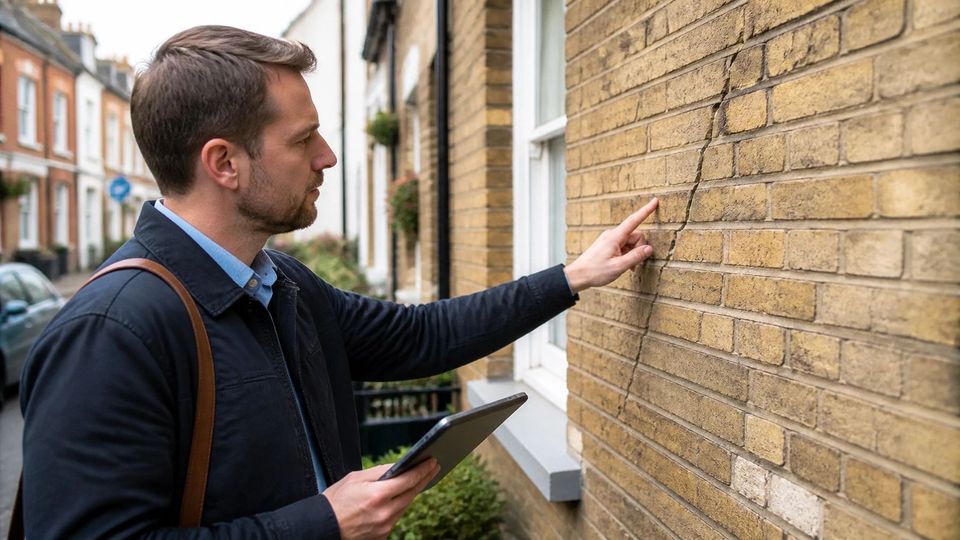
In our opinion, yes. Even if sellers provide an initial condition assessment, an independent survey remains one of the most valuable investments a purchaser can make. It is carried out solely in the buyer’s interests and provides:
- A detailed assessment of defects
- Advice on repairs and maintenance
- Identification of structural movement
- Damp investigations
- Roof inspections
- Services observations
- Repair priorities
The proposed Sales Pack is intended to improve transparency, not replace independent professional advice. For many buyers a RICS Home Survey Level 2 or RICS Home Survey Level 3 will continue to provide significantly more detailed information than any standard upfront condition assessment. This is particularly true for older and period properties, listed buildings, timber-framed homes, non-standard construction, properties with extensive alterations or extensions, and buildings where significant renovation is planned.
What do the reforms mean for sellers?
Sellers may initially have more work to do before marketing their property. Better preparation, though, should lead to more committed buyers, fewer renegotiations, faster exchanges, greater transaction certainty and a reduced risk of sales collapsing. Properties with comprehensive documentation available from day one are likely to attract stronger buyer confidence.
Our view as surveyors
We strongly support reforms that improve transparency and reduce failed transactions. For many years surveyors have seen the consequences of buyers discovering serious defects only after offers have been accepted. Providing reliable information earlier should benefit everyone involved, but the quality of that information will be crucial. If property condition reports become part of the Sales Pack, they should be prepared by appropriately qualified professionals using recognised standards. Independent pre-purchase surveys will continue to play a vital role in protecting buyers.
Need independent survey advice?
Whether you are buying your first home, investing in property or purchasing a period or complex building, choosing the right survey remains one of the best ways to protect your investment. Huxley Surveyors provides independent surveying services across Surrey, Kent, Sussex and London:
- RICS Home Survey Level 2
- RICS Home Survey Level 3
- Specific defect surveys
- Party wall surveying
- Drone surveys and roof inspections
- Commercial building surveys
- Project management and contract administration
If you are unsure which survey is appropriate for your purchase, we will be happy to provide impartial advice before you commit.

Mathew Gonzalez
Founder and Director | Chartered Surveyor · MSc BSc (Hons) FCIArb MRICS MCIOB MCABE C.Build E MAPM MISVA MFPWS MRPSA
Mathew founded Huxley Surveyors in 2020 and has over 24 years’ experience in the property and construction industry. He has been a Chartered Surveyor since 2013.
His professional background began in quantity surveying and commercial management before progressing into project management, property development and subsequently building surveying. He has held senior project, development management and consultancy roles and has worked across residential, commercial and retail property in the UK and internationally.